

How Imaging Tests Help Diagnose, Stage, and Monitor Cancer
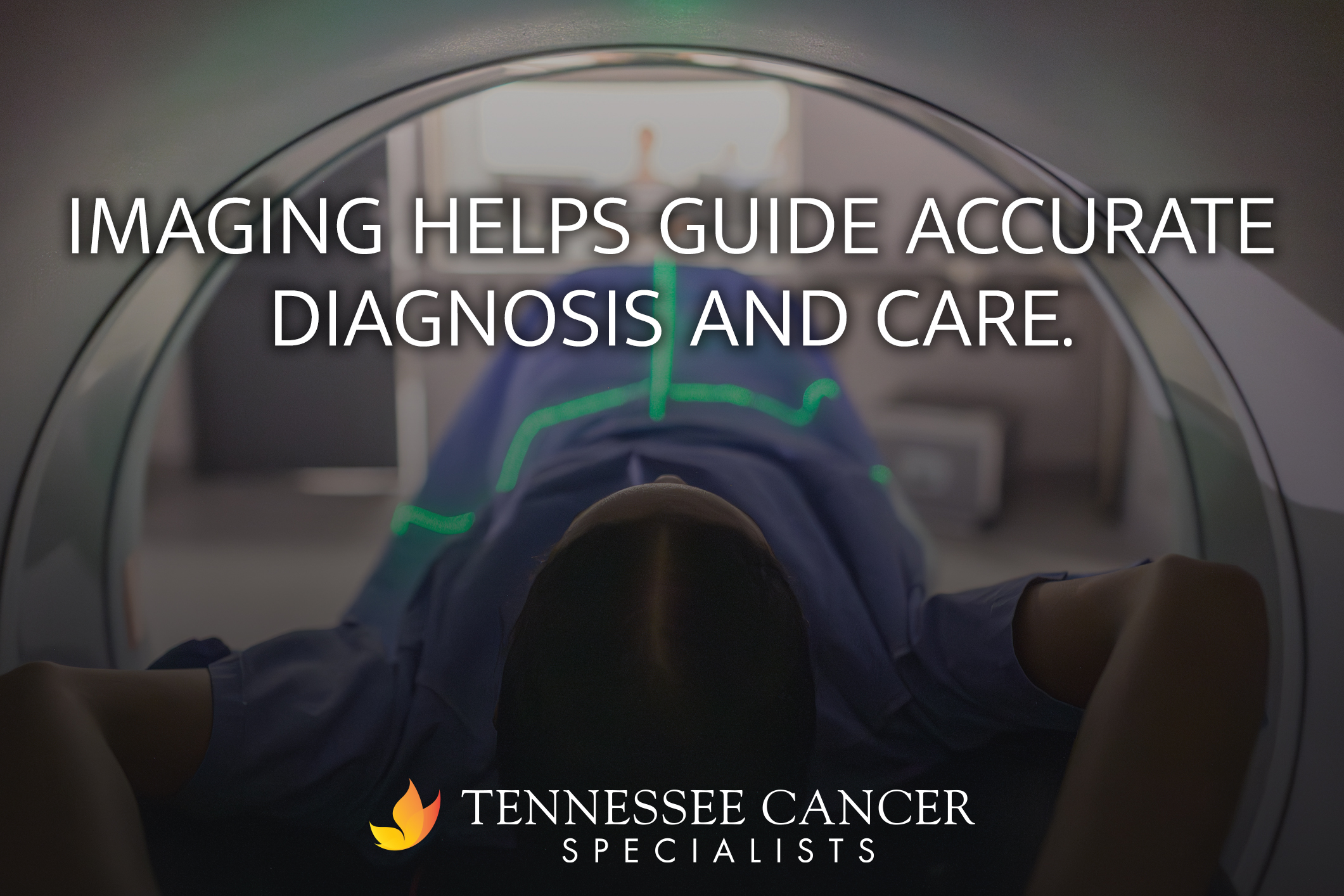 When it comes to cancer care, accurate information is everything. Before a treatment plan can begin, providers need a clear understanding of what’s happening inside the body. That’s where advanced imaging tests come in.
Imaging technologies like CT scans, MRIs, and PET scans play a vital role in diagnosing cancer, determining how far it has spread, and monitoring how well treatment is working.
At Tennessee Cancer Specialists, these tools are an essential part of delivering precise, personalized cancer care.
What Are Imaging Tests?
Imaging tests are non-invasive procedures that create detailed pictures of the inside of the body. These images allow providers to detect abnormalities, evaluate organs and tissues, and identify potential signs of cancer.
Each type of imaging test provides different information, which helps build a complete picture of a patient’s condition.
Why Imaging Is So Important in Cancer Care
Imaging tests are used at multiple stages of the cancer journey. They help providers:
- Detect suspicious areas or tumors
- Confirm or support a diagnosis
- Determine the size and location of cancer
- Identify whether cancer has spread (staging)
- Monitor how treatment is working
- Check for recurrence after treatment
This information is critical for developing an effective, individualized treatment plan.
Common Types of Imaging Tests
CT (Computed Tomography) Scans
CT scans use X-rays to create detailed cross-sectional images of the body. They are often one of the first imaging tests used when cancer is suspected.
CT scans can help:
- Locate tumors
- Measure tumor size
- Identify spread to nearby organs
They are quick, widely available, and highly effective for many types of cancer.
MRI (Magnetic Resonance Imaging)
MRIs use powerful magnets and radio waves to produce highly detailed images, especially of soft tissues.
MRIs are particularly useful for:
- Brain and spinal cord imaging
- Detecting tumors in soft tissues
- Evaluating the extent of certain cancers
Because they provide high-resolution images, MRIs can offer additional detail that other imaging tests may not.
PET (Positron Emission Tomography) Scans
PET scans show how tissues and organs are functioning by detecting metabolic activity. Cancer cells often use more energy than normal cells, making them easier to identify on a PET scan.
PET scans are commonly used to:
- Detect cancer throughout the body
- Determine if cancer has spread
- Evaluate how well treatment is working
They are often combined with CT scans (PET/CT) for even more precise results.
How Imaging Helps with Cancer Staging
Staging is the process of determining how advanced a cancer is and whether it has spread to other parts of the body.
Imaging tests provide critical information for staging, which helps guide treatment decisions. For example:
- Early-stage cancers may be treated with surgery alone
- More advanced cancers may require chemotherapy, radiation, or targeted therapy
Accurate staging ensures patients receive the most appropriate care.
Monitoring Treatment Progress
Imaging doesn’t stop after diagnosis—it continues throughout treatment.
Providers use imaging tests to:
- Track how tumors respond to therapy
- Adjust treatment plans if needed
- Detect any new or recurring cancer
This ongoing monitoring helps ensure that treatment remains effective and responsive to the patient’s needs.
What Patients Can Expect
Most imaging tests are outpatient procedures and relatively quick. Depending on the test, patients may need to:
- Fast for a few hours beforehand
- Receive a contrast dye to enhance images
- Remain still during the scan
Your care team will provide clear instructions and answer any questions before your appointment.
Personalized Care Through Advanced Imaging
At Tennessee Cancer Specialists, imaging is a cornerstone of personalized cancer care. By combining advanced technology with expert interpretation, we can develop treatment plans tailored to each patient’s unique situation.
Our goal is to provide clarity, confidence, and the highest level of care every step of the way.
Take the Next Step
Imaging tests like CT scans, MRIs, and PET scans are powerful tools in the fight against cancer. They help providers diagnose, stage, and monitor the disease—ensuring patients receive the most effective treatment possible.
If you have questions about imaging or need expert cancer care, Tennessee Cancer Specialists is here to help.