

Stomach Cancer Awareness Month: Know the Signs, Understand Your Risk and Explore Treatment Options
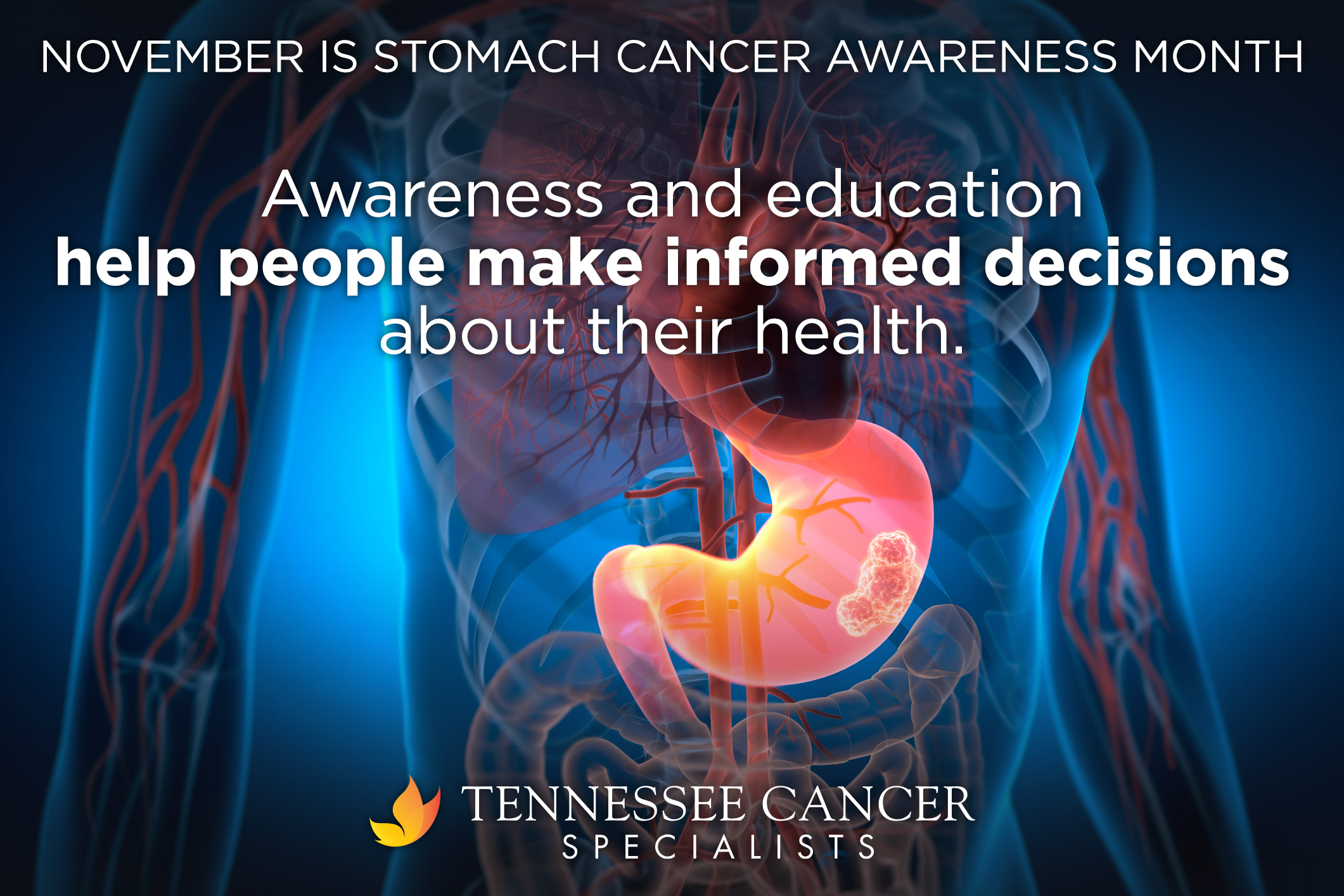 November is Stomach Cancer Awareness Month, an opportunity to raise awareness about stomach cancer, recognize potential warning signs and encourage conversations about digestive health and cancer prevention.
Stomach cancer, also called gastric cancer, develops when abnormal cells in the stomach grow uncontrollably. Because early stomach cancer may cause few or no noticeable symptoms, it can be difficult to detect before the disease progresses.
Understanding the risk factors, recognizing persistent symptoms and knowing when to seek medical evaluation are important steps toward making informed decisions about your health.
At Tennessee Cancer Specialists, our oncology team provides personalized cancer care for patients throughout East Tennessee. With full-time offices and satellite locations across the region, our team is committed to helping patients understand their diagnosis, explore treatment options and receive compassionate support throughout their cancer journey.
What Is Stomach Cancer?
The stomach is part of the digestive system. It helps break down food and move it into the small intestine, where nutrients are absorbed.
Stomach cancer occurs when cells in the stomach begin to grow abnormally and form a tumor. Although several types of cancer can develop in the stomach, the most common is gastric adenocarcinoma, which begins in the cells lining the stomach.
Other, less common types include gastrointestinal stromal tumors (GISTs), lymphomas and certain neuroendocrine tumors. These cancers may behave differently and require different treatment approaches.
Identifying the specific type of stomach cancer is an important first step in determining the most appropriate care.
What Are the Symptoms of Stomach Cancer?
One of the challenges of stomach cancer is that early symptoms can be subtle or resemble common digestive problems.
Potential stomach cancer symptoms include:
- Persistent indigestion or heartburn
- Abdominal discomfort or pain
- Bloating after meals
- Feeling full after eating small amounts of food
- Nausea or vomiting
- Loss of appetite
- Unexplained weight loss
- Difficulty swallowing
- Persistent fatigue or weakness
- Blood in the stool or black, tarry stools
These symptoms do not necessarily mean you have stomach cancer. Conditions such as acid reflux, ulcers and other digestive disorders can cause similar problems.
However, symptoms that are persistent, worsening or unexplained should be discussed with a healthcare provider. Vomiting blood, passing black or bloody stools, or experiencing severe abdominal pain may require urgent medical evaluation.
Understanding Stomach Cancer Risk Factors
Stomach cancer can develop in people without any known risk factors. However, several factors may increase the likelihood of developing the disease.
Helicobacter pylori Infection
Helicobacter pylori (H. pylori) is a type of bacteria that can infect the stomach lining. Long-term infection can cause inflammation and ulcers and may increase the risk of certain types of stomach cancer.
- pylori infections can often be treated with medication. Your healthcare provider can determine whether testing or treatment is appropriate based on your symptoms and medical history.
Age
Stomach cancer is more commonly diagnosed in older adults, although it can occur in younger people.
Family History and Genetics
Having close relatives with stomach cancer may increase your risk. Certain inherited genetic conditions can also increase the likelihood of developing the disease.
If you have a strong family history of stomach cancer or related cancers, talk with your healthcare provider about whether genetic counseling may be appropriate.
Smoking
Smoking increases the risk of stomach cancer, in addition to several other types of cancer. Avoiding tobacco and seeking help to quit can improve overall health and reduce cancer risk.
Diet and Lifestyle
Certain dietary patterns, including frequent consumption of heavily salted, smoked or preserved foods, have been associated with increased stomach cancer risk. Diets that include a variety of fruits and vegetables can support overall health.
Excess body weight and certain other health conditions may also contribute to risk, depending on the type of stomach cancer.
Previous Stomach Conditions
Certain chronic stomach conditions, including long-term inflammation of the stomach lining and some types of gastric polyps, may increase risk.
Having one or more risk factors does not mean you will develop stomach cancer. Understanding your individual risk can help you and your healthcare provider make informed decisions about your health.
Can Stomach Cancer Be Detected Early?
Unlike some other cancers, there is no standard routine screening test recommended for stomach cancer in the general U.S. population at average risk.
In countries where stomach cancer is more common, screening programs may be used for certain populations. In the United States, testing is generally guided by symptoms, medical history and individual risk.
People with certain inherited conditions, a strong family history or other high-risk circumstances may benefit from specialized evaluation.
If you experience persistent digestive symptoms or believe you may be at increased risk, talk with your healthcare provider about whether further evaluation is appropriate.
How Is Stomach Cancer Diagnosed?
If stomach cancer is suspected, your healthcare provider may recommend diagnostic tests to determine the cause of your symptoms.
These may include:
- Upper endoscopy: A thin, flexible tube with a camera is used to examine the lining of the esophagus, stomach and upper small intestine.
- Biopsy: Small tissue samples may be collected during an endoscopy and examined for cancer cells.
- Imaging tests: CT scans, PET scans or other imaging studies may help determine whether cancer has spread.
- Blood tests: These can provide information about overall health and help identify complications, such as anemia.
- Tumor biomarker testing: Certain stomach cancers may be tested for molecular characteristics that can help guide treatment decisions.
Once stomach cancer is diagnosed, additional testing may be used to determine the stage of the disease. This information helps the oncology team develop an individualized treatment plan.
Stomach Cancer Treatment Options
Stomach cancer treatment depends on several factors, including the type and stage of cancer, whether it can be surgically removed, the tumor’s molecular characteristics and the patient’s overall health.
Depending on the diagnosis, treatment may include the following.
Surgery
Surgery may be an option for certain patients with localized stomach cancer. The procedure may involve removing part or all of the stomach, along with nearby lymph nodes, depending on the extent of the disease.
Chemotherapy
Chemotherapy uses medications to destroy cancer cells or slow their growth. It may be recommended before surgery, after surgery or as part of treatment for advanced stomach cancer.
Radiation Therapy
Radiation therapy uses high-energy radiation to target cancer cells. It may be combined with chemotherapy or used in selected circumstances to help control symptoms.
Targeted Therapy
Targeted therapies are designed to act on specific proteins or molecular changes that help cancer cells grow.
Testing the tumor for certain biomarkers can help determine whether a targeted medication may be appropriate.
Immunotherapy
Immunotherapy helps the immune system recognize and attack cancer cells. It may be an option for certain stomach cancers, depending on factors such as biomarker results and disease stage.
Clinical Trials
Clinical trials evaluate new treatments, medications and combinations of therapies. Eligible patients may have opportunities to participate in research exploring additional treatment options.
Not every treatment is appropriate for every patient. Personalized treatment planning helps ensure that recommendations reflect the patient’s diagnosis, overall health and individual needs.
The Importance of Personalized Cancer Care
A stomach cancer diagnosis can bring many questions and uncertainties. Patients may wonder about treatment options, nutrition, side effects, recovery and what to expect in the months ahead.
At Tennessee Cancer Specialists, our oncology team understands that every patient’s experience is different. Treatment recommendations are based on the specific type and stage of cancer, relevant test results, overall health and individual circumstances.
Our goal is to help patients understand their diagnosis, explore appropriate treatment options and receive compassionate support throughout their cancer journey.
Advances in Stomach Cancer Research
Ongoing cancer research continues to improve the understanding and treatment of stomach cancer.
Researchers are studying new medications, targeted therapies, immunotherapies and combinations of existing treatments. Biomarker testing is also helping physicians identify characteristics of some tumors that may influence treatment decisions.
Tennessee Cancer Specialists offers access to clinical trials through the Sarah Cannon Research Institute (SCRI), one of the world’s leading oncology research organizations.
Clinical trials are not appropriate for every patient, but your oncology team can help determine whether a study may be an option based on your diagnosis, treatment history and individual circumstances.
What Can You Do During Stomach Cancer Awareness Month?
Stomach Cancer Awareness Month is an opportunity to learn about the disease, recognize concerning symptoms and make informed decisions about your health.
Consider these steps:
- Pay attention to persistent digestive symptoms.
- Talk with your healthcare provider about unexplained weight loss, abdominal pain or ongoing indigestion.
- Ask whether testing for H. pylori is appropriate if you have relevant symptoms or risk factors.
- Discuss your family history of stomach cancer and related cancers.
- Avoid tobacco use.
- Eat a balanced diet that includes a variety of fruits and vegetables.
- Seek medical advice if you have concerns about your digestive health.
Although stomach cancer cannot always be prevented, understanding risk factors and seeking timely medical evaluation can help people make informed decisions about their care.
Stomach Cancer Care Throughout East Tennessee
If you or someone you love has been diagnosed with stomach cancer, having a knowledgeable oncology team can help you better understand your diagnosis and treatment options.
Tennessee Cancer Specialists provides personalized oncology and hematology care throughout East Tennessee, with full-time offices in Knoxville, Greeneville, Johnson City, Kingsport, Morristown, Powell and Harrogate.
Our satellite offices serve patients in Athens, Downtown Regional in Knoxville, Jefferson City Memorial Hospital, Jefferson City–Summit, LaFollette, Newport, Oak Ridge, Sweetwater and Turkey Creek in Knoxville.
Visit the Tennessee Cancer Specialists locations page for addresses, contact information and current office details. Satellite office schedules and services may vary.
Our team is committed to providing individualized treatment planning, compassionate support and access to clinical research when appropriate.
This Stomach Cancer Awareness Month, take time to learn the warning signs, understand your risk and speak with your healthcare provider about symptoms that concern you.
Recognizing persistent symptoms, seeking timely evaluation and understanding your treatment options are important steps in the stomach cancer journey.